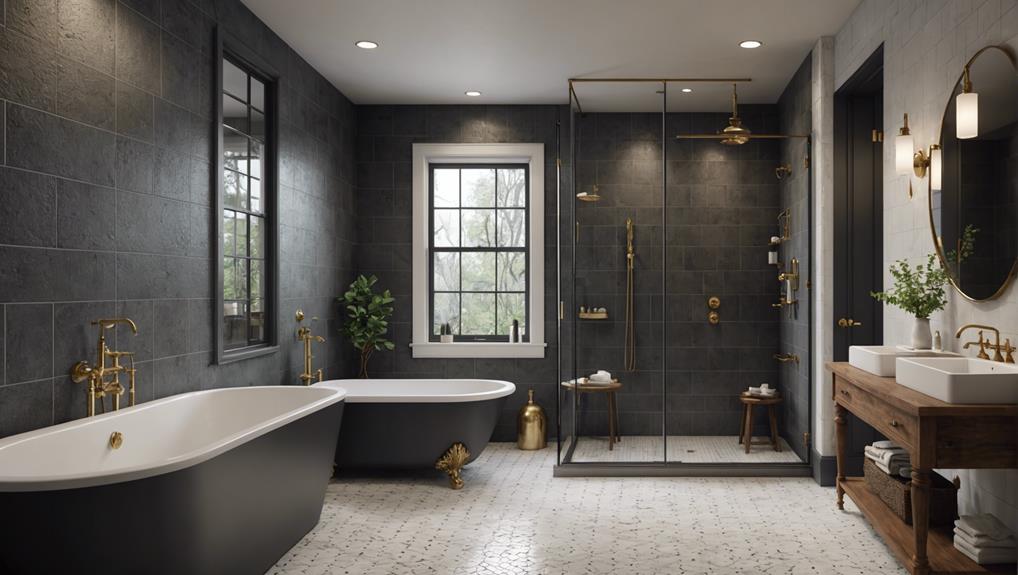
Yes, removing your bathtub may decrease the market value of your property in Bethlehem. Statistics indicate that 74% of potential homebuyers have a preference for homes that feature both a bathtub and a shower.
In Bethlehem, the presence of bathtubs is particularly desirable due to the local demographic, which includes families and long-term residents who prioritize such amenities for their personal and family use. Properties equipped with bathtubs tend to draw more interested parties and can enhance the overall appeal of your home, thereby increasing its marketability.
When contemplating home renovations, it is advisable to retain at least one bathtub to appeal to a broader spectrum of buyers and potentially boost your property's market value. Explore how this renovation strategy could elevate the appeal of your home in the Bethlehem real estate market.
Understanding Buyer Preferences

While 74% of homebuyers express a preference for properties that feature both a bathtub and a shower, acknowledging the alignment of these preferences with prevailing market trends is crucial. In the context of the real estate industry, when contemplating a bathroom renovation, considering these buyer inclinations is critical. A residence lacking a bathtub mightn't only forfeit the charm of cozy bubble baths; it could also diminish its attractiveness to a significant portion of the potential buyer demographic.
Creating a home that feels like a hospitable environment where anyone could envision themselves residing is essential. Opting for neutral design elements in your bathroom renovation can facilitate this by captivating a wider audience. It's noteworthy that properties equipped with bathtubs tend to lure more prospective buyers. This doesn't imply that modernization or personalization should be avoided; rather, it suggests that keeping buyer preferences in mind can direct you towards decisions that either augment or detract from your property's value.
Grasping these trends isn't merely about conforming to popular opinion. It involves making well-informed choices that enable you to cultivate a living space that's both personal and broadly appealing. Thus, prior to deciding to eliminate the bathtub, consider its role in the broader context of your property's appeal within the Bethlehem real estate market.
Analyzing Market Trends

To grasp the impact of eliminating a bathtub on your property's market value in Bethlehem, it's crucial to scrutinize prevailing real estate trends. When contemplating home renovations, it's pertinent to note that a 2021 study indicated a substantial 74% of homebuyers have a preference for properties that feature both a bathtub and a shower. This statistic underscores that maintaining a bathtub not only aligns with popular demand but also potentially broadens the appeal of your residence to a more extensive array of prospective purchasers.
In the contemporary real estate landscape, the presence of a bathtub transcends mere functionality; it's a sought-after amenity that may significantly enhance the attractiveness of your home compared to others in the Bethlehem area. Given that the region is favored by families and long-term dwellers who prioritize amenities that cater to the needs of all family members, the availability of a bathtub often becomes a pivotal consideration during the home buying process.
Evaluating Property Types

Understanding the different requirements for various property types in Bethlehem can help you decide whether removing a bathtub is the right decision for your residence. If you're residing in a spacious family home, maintaining a bathtub might be essential. Families often seek properties that cater to children's needs, and a bathtub aligns well with this requirement.
Conversely, if your residence features an en suite or a guest bathroom, the necessity for a bathtub decreases. In these scenarios, installing a walk-in shower couldn't only suffice but also enhance the appeal of your property, making the space appear larger and more contemporary—a significant advantage if you're targeting buyers who prioritize style and efficiency.
For busy couples or smaller households in Bethlehem, the trend towards simpler, more streamlined amenities is evident. A minor bathroom renovation to replace a cumbersome bathtub with a walk-in shower could appeal to those who view a bathtub as less essential.
Considering Bathroom Functionality

Assessing the functionality of your bathroom is essential when debating the replacement of a bathtub with a walk-in shower. As a part of the Bethlehem community, every renovation decision impacts not only the comfort of your household but also the marketability of your property. Striking a balance between personal convenience and property value enhancement is key.
In compact bathroom layouts, the installation of a shower might appear as an efficient utilization of space. However, it's important to consider that a combination of both a bathtub and a walk-in shower can significantly elevate your property's market value. This configuration appeals to a diverse range of potential buyers: families with young children often prioritize having a bathtub, whereas older demographics may value the ease of access provided by a walk-in shower.
Prior to finalizing your decision, reflect on the new dynamics your bathroom will adopt. Increasing its functionality transcends mere trend-following; it involves making strategic choices that accommodate your needs while also considering their influence on your home's attractiveness to future buyers. Whether it involves a new installation or the removal of existing fixtures, each decision should be meticulously evaluated to ensure it serves both your personal lifestyle and future resale considerations.
Assessing Renovation Costs

Assessing renovation costs is critical, as converting your bathtub to a walk-in shower generally costs between $1,500 and $5,000. When embarking on a bathroom renovation, it's essential to account for both the upfront expenses and the potential hidden costs. Plumbing modifications may be required, particularly if your existing layout is incompatible with a walk-in shower setup, which could substantially impact your financial plan.
Engaging a certified professional contractor early in the process can provide a comprehensive understanding of the tub removal and installation challenges. They can provide expert advice on the extent of work needed and the optimal materials to utilize, ensuring that your renovation satisfies both your aesthetic preferences and functional requirements. Keep in mind, the expenditure involves not only the payment for new fixtures and labor but also represents an investment in enhancing your residence to better suit your lifestyle and needs.
Additionally, if you later decide to reinstall a bathtub, consider that this choice might potentially double your initial outlay. Integrating this consideration into your overall strategy is prudent, as it ensures the creation of not only an aesthetically pleasing space but also one that enhances the long-term value of your property.
Exploring Alternative Upgrades

If you're contemplating a bathroom renovation, incorporating a deluxe walk-in shower can markedly elevate its allure. Envision entering a capacious standing shower, enveloped by premium finishes that mirror your distinctive taste. This transformation isn't merely a renovation; it's a redefinition of your space to align with your lifestyle.
Incorporating custom shower doors from Glass Doctor can metamorphose your bathroom into a refined, contemporary sanctuary. These installations are more than functional elements; they're manifestations of sophistication and personal flair. Moreover, integrating ergonomic grab bars enhances not only safety but also accessibility, ensuring that each member of your household experiences comfort and inclusion.
Furthermore, don't overlook the ecological and economic advantages of energy-efficient fixtures. These innovative upgrades are designed to conserve water and reduce utility expenses, making your bathroom remodel a prudent investment over time. By adopting these improvements, you'll join a community that prioritizes sustainability, efficiency, and elegance.
Reviewing Expert Opinions

Let's evaluate the perspectives of real estate experts on the implications of bathtub removal for a property's market value. Real estate professionals highlight the necessity of maintaining at least one bathtub to appeal to key demographics such as young families or affluent homeowners. These segments typically regard a bathtub as indispensable, elevating it beyond mere luxury. Therefore, when contemplating bathroom renovations, it's prudent to consider the preferences of these potential buyers.
Each decision regarding your property, from renovations to the elimination of features like a bathtub, should be strategically made with an eye toward its impact on resale value. Although it's feasible to sell a property lacking a bathtub, doing so may limit the spectrum of interested buyers. Ideally, your property should be accommodating to all visitors. Envision a scenario where a young family tours your property, only to find a modern bathroom devoid of a bathtub essential for their children's routines—this could potentially turn them away.
Ultimately, retaining a bathtub can broaden your appeal to a larger array of potential buyers, thereby enhancing the likelihood of increasing your property's market value. The goal is to craft an environment where every potential buyer can envisage a joyful and comfortable living experience. Thus, it's important to anticipate the needs and desires of those who may soon be exploring your home as their possible new residence.
Frequently Asked Questions
Does Removing a Bathtub Decrease Value?
If you're contemplating the removal of your bathtub, proceed with caution! Eliminating the tub could potentially diminish your property's market value as numerous homebuyers prefer the flexibility of having both a bathtub and a shower.
Properties equipped with bathtubs tend to appeal to a wider demographic, thereby improving the chances of a successful resale. Lacking a bathtub might restrict your pool of interested buyers, potentially complicating the process of selling your property swiftly and at an optimal price.
Therefore, carefully consider your decision!
Does It Devalue Your House to Not Have a Bathtub?
Eliminating a bathtub from your residence could potentially decrease its market value, particularly if a significant number of prospective purchasers in your locality favor dwellings equipped with bathtubs. This adjustment might restrict your pool of potential buyers and potentially prolong the duration required to sell your estate.
Given that a broad spectrum of buyers, including families with young children and elderly individuals, often seek out bathtubs, it's crucial to take this preference into account during your home improvement plans. Retaining at least one bathtub in your home might be a prudent strategy to preserve its attractiveness in the real estate market.
Does Removing a Bath Devalue?
If you're contemplating the removal of your bathtub, it's crucial to evaluate the potential impact on your property's market value.
Eliminating a bathtub can enhance the perception of space within the bathroom; however, a significant segment of potential homebuyers, particularly those with families, often prioritize the availability of a bathtub in their housing criteria.
The absence of a bathtub might extend the duration it takes to sell your property. To mitigate any adverse effects, it's advisable to seek guidance from a real estate professional who possesses in-depth knowledge of local market dynamics and consumer preferences.
Are Bathtubs Going Out of Style?
You might ponder whether bathtubs are losing their appeal in modern home design. Although design trends evolve, numerous individuals continue to savor a relaxing soak.
According to a 2021 housing market analysis, 74% of potential homebuyers express a preference for properties equipped with both a bathtub and a separate shower area. Factors such as your lifestyle, hygiene habits, and time management considerations influence this decision.
Rather than overly concerning yourself with current trends, prioritize what enhances comfort and functionality in your living space. Ultimately, personal satisfaction and individual preferences should dictate your home improvement choices.
Conclusion
Considering replacing your bathtub with a shower in Bethlehem? Keep in mind that current market trends and potential buyer preferences generally favor having at least one bathtub in a residence.
Evaluate the type of property you own and the overall functionality of the bathroom before finalizing your decision. While the costs of renovation and potential alternative enhancements might influence your choice, guidance from real estate experts advocate for maintaining a bathtub to prevent a decrease in your property's value.
It's crucial to balance your personal requirements with the prospects of a future sale. Carefully consider all aspects to ensure an informed and strategic decision.